
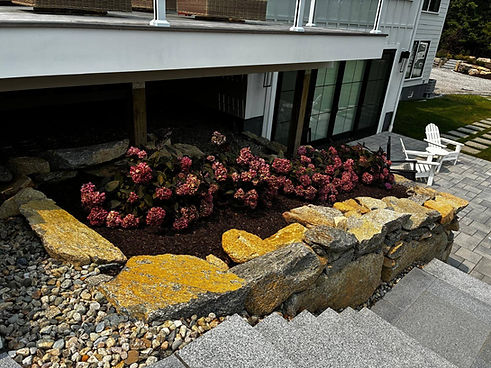
Mulching Services in Fairhaven, MA
You spread mulch in the spring, but weeds push through within weeks and beds start looking messy again. Sometimes mulch gets piled against tree trunks or applied too thick, trapping moisture and slowly damaging plants.
New England Tree & Landscape installs mulch the right way with proper bed preparation, clean edging, and the correct depth so beds suppress weeds, hold moisture, and protect plant roots instead of harming them.
Call 508-763-8000 or email request@newenglandtreeandlandscape.com to request a free estimate.
Why mulching is necessary
Mulch does more than make beds look neat. It holds moisture in soil during summer heat, suppresses weeds that would otherwise take over, moderates soil temperature, protecting roots from extreme heat and cold, and breaks down over time, adding organic matter to soil. Without mulch, beds dry out faster, weeds grow everywhere, and soil temperatures swing from hot to cold, stressing plants.
Professional mulching means applying the right amount at the correct depth without piling material against plant stems or tree trunks. Too much mulch suffocates plants and causes rot. Too little doesn't suppress weeds or hold moisture effectively. We mulch beds correctly so plants get benefits without damage from over-application.
Properties in Fairhaven, Mattapoisett, Marion, Acushnet, Rochester, New Bedford, and Dartmouth need mulch applications once or twice a year to keep beds protected and looking maintained. Mulch breaks down over time and needs refreshing to maintain proper depth and appearance.


Mulch Bed Installation
Mulch bed installation creates new planting beds with proper edging, weed removal, and initial mulch application. New beds need to be defined clearly, so they separate from lawn areas and create clean lines that make properties look maintained.
We edge beds to create distinct boundaries between lawn and planting areas. Sharp edges prevent grass from creeping into beds and make mowing easier by defining where the lawn ends. Proper edging also helps contain mulch and prevents it from washing into lawn areas.
Weed removal happens before mulch goes down. Putting mulch over existing weeds doesn't kill them; it just hides them temporarily. We clear beds of weeds and unwanted vegetation so mulch goes on clean soil or the existing mulch layer.
Initial mulch application in new beds goes 2 to 3 inches deep. This provides adequate coverage for weed suppression and moisture retention without excessive depth. New beds sometimes need slightly more mulch than established beds because there's no existing mulch layer underneath.
Annual Mulch Refresh
Annual mulch refresh tops existing beds with fresh mulch to maintain proper depth and appearance. Mulch breaks down over time as it decomposes. What started as 3 inches settles to 1 or 2 inches within a year or two. Annual refresh maintains coverage that suppresses weeds and protects plants.
We assess the bed condition before adding mulch. Sometimes beds need weeding first. Other times, existing mulch just needs topping. Each property gets what it actually needs.
Fresh mulch application during annual refresh typically adds 1 to 2 inches to existing beds. This brings total depth back to the proper range without over-application. Properties that got excessive mulch previously might not need any refresh, or might even need removal of excess before fresh mulch goes on.
Spring vs. Fall Mulching in Massachusetts
Mulching in both spring and fall can be beneficial, but each season serves a different purpose.
Spring mulching
Spring is usually the best time for a full mulch refresh in Massachusetts. Fresh mulch helps suppress weeds as the growing season begins, improves bed appearance, and holds moisture in the soil as temperatures rise. It also gives planting beds a clean, maintained look heading into the busiest part of the season.
For most properties in Fairhaven, Mattapoisett, Marion, Acushnet, Rochester, New Bedford, and Dartmouth, spring is the main mulching season because it combines plant protection with weed control and curb appeal.
Fall mulching
Fall mulching is more about plant protection than appearance. A properly installed layer of mulch helps insulate root systems, reduce frost heaving during freeze-thaw cycles, and hold soil moisture going into winter. This is especially helpful around shrubs, perennials, and other planted areas that benefit from more stable soil conditions during cold weather.
Fall mulching usually makes the most sense when beds are thin, exposed, or in need of added winter protection.
When should you do both?
Spring and fall mulching both make sense when you want the strongest year-round protection for your landscape beds.
A spring application helps with weed suppression, moisture retention, and appearance during the growing season.
A fall application helps protect roots through winter and reduces temperature swings in the soil.
For many properties, one mulch application per year is enough. For others, especially beds with shrubs, perennials, exposed roots, or heavier weather exposure, mulching in both spring and fall can provide better long-term results.
What matters most
The most important factor is not just when mulch is installed, but how it is installed. Mulch needs to be applied at the proper depth, spread evenly, and kept away from trunks and stems. Too much mulch or poor installation creates more problems than benefits, regardless of the season.

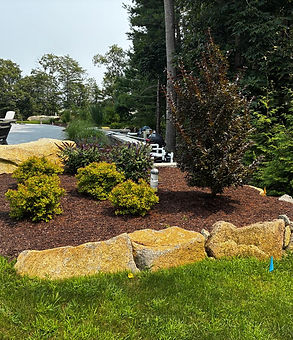
Mulch Selection
Mulch types and colors let you match bed appearance to property style and personal preference. Natural bark mulch ages to gray over time and provides an organic look. Dyed mulches hold color longer and offer options for different aesthetic preferences.
Natural bark mulch is the standard choice for many properties. It's economical, breaks down to improve soil, and provides a natural appearance that fits any landscape style. Color changes as it ages, starting brown and fading to gray.
Dyed brown mulch maintains a darker color longer than natural mulch. It's a popular choice for properties wanting a consistent appearance that doesn't fade to gray. Brown dye is the most common and fits well with most landscape designs.
Black mulch provides a dramatic contrast that makes plant colors stand out. It's less common than brown but works well for modern landscapes or properties wanting a bold bed appearance. Black stays darker than natural mulch for an extended period.
Red mulch offers a bright color option that some people prefer. It's the most distinctive choice and creates a strong visual impact. Red works well in some settings but can overwhelm landscapes if overused.
Hardwood mulch is denser than bark mulch and breaks down more slowly. It holds up better on slopes where erosion might wash away lighter mulches. Hardwood is a good choice for areas needing longer-lasting coverage.
Bed Edging and Preparation
Bed edging creates clean lines between lawn and planting areas. Proper edges make properties look maintained and prevent grass from invading beds. We recut edges during mulching to maintain definition.
Sharp edges get created using edging shovels that cut lines between the bed and the lawn. This creates distinct boundary that's visible and functional. Rounded or unclear edges make beds look sloppy and don't prevent grass encroachment effectively.
Bed preparation before mulching includes removing leaves, debris, and weeds. Mulch goes on clean beds, not over mess. We clear beds so fresh mulch sits on soil or the existing mulch layer without trash underneath.
Pulling back mulch from plant stems and tree trunks prevents rot. We maintain clear space around stems so bark stays dry and air circulates. This prevents disease and rot that kill plants.


Weed Control in Beds
Weed control in mulched beds starts with proper mulch depth that blocks light from reaching the soil. Weed seeds need light to germinate. An adequate mulch layer prevents germination by keeping soil dark.
We pull existing weeds before mulching. Mulch over weeds doesn't kill them; it just covers them temporarily. They grow through mulch and become harder to remove. Starting with clean beds means mulch actually suppresses new weeds instead of hiding existing ones.
Spot treating weeds that do appear keeps beds clean between mulching. Some weeds will always come through regardless of mulch depth. Pulling or treating them as they appear prevents weed problems from getting out of control.
Common Mulching Problems
Improper mulching causes more plant and tree failures than most homeowners realize. Mulch is meant to protect soil and roots, not smother them. When applied incorrectly, it creates long-term health issues.
Excessive mulch depth
The most common problem we see is too much mulch. When mulch is layered year after year without removing old material, total depth can exceed six inches. This prevents oxygen from reaching plant roots and traps excess moisture against stems, leading to stress, and plant decline. When this happens, we remove the excess material and reset beds to the proper depth so plants can recover.
Mulch piled against trunks
Mulch should never be piled against tree trunks or plant stems. This practice, often called volcano mulching, traps moisture against bark, encourages insects, and accelerates rot. Over time, it weakens trees and can lead to irreversible damage. We pull mulch back from trunks and maintain a clear space around the base so bark stays dry and healthy.
Insufficient mulch coverage
Mulch that is spread too thin fails to do its job. Inadequate depth allows sunlight to reach the soil surface, encouraging weed growth and reducing moisture retention. Beds need approximately two to three inches of mulch to effectively suppress weeds and regulate soil moisture. Skimping on mulch may save money upfront, but it leads to increased weed pressure and ongoing maintenance.
Neglected, broken-down mulch
Mulch breaks down over time and needs to be refreshed. Old mulch that has not been maintained becomes gray, sparse, and weedy. It no longer protects the soil or supports healthy plant growth. Regular refreshes, typically annually or every other year, keep beds clean, functional, and visually consistent.
Incorrect mulch selection
Not all mulch works in every location. Lightweight bark mulch can wash away on slopes, while overly fine mulch can compact and restrict water infiltration. Choosing the wrong material creates maintenance and drainage issues. We select mulch types based on site conditions so they stay in place and perform as intended.
Getting Started with Mulching
Properties throughout Fairhaven, Mattapoisett, Marion, Acushnet, Rochester, New Bedford, and Dartmouth need annual or biennial mulching to keep beds protected and looking maintained. Professional mulching applies correct depth without over-application that suffocates plants.
Call 508-763-8000 or email request@newenglandtreeandlandscape.com. We'll schedule mulching service that refreshes the bed's appearance and protects plants through the growing season.
Whether it's an annual refresh for established beds or new bed installation with initial mulch, professional mulching keeps landscapes healthy and attractive.
35 years in business. Local crew based at 232 Huttleston Avenue in Fairhaven. Family-owned. We're the caring professionals serving the South Coast.
FAQ's
When is the best time to mulch in Massachusetts?
Spring is the best time to mulch in Massachusetts because it helps retain moisture, regulate soil temperature, and protect plants as they come out of dormancy. If spring is missed, fall mulching is still beneficial for insulating roots before winter. Mulching in both spring and fall provides added protection but doing it once a year is usually sufficient.
Why do weeds keep coming through even after I put fresh mulch down?
Mulch slows weeds, it doesn’t stop them completely. Weed seeds can already be in the soil or land on top of the mulch and grow. If the layer is too thin or the bed wasn’t prepped properly, weeds come through even faster.
What do I do if mulch keeps washing away on a slope?
That’s usually a grading or drainage issue, not just a mulch problem. Water is moving too fast across the surface and carrying the mulch with it. Fixing the slope, slowing the water, or adding planting or stabilization is what actually solves it.
Do I need to remove old mulch before adding new mulch?
Not always, but it depends on how much mulch is already there. If too much was added the year before, it should be reduced or broken up before adding more. Stacking new mulch on top every year leads to buildup, poor drainage, and root issues.
Does mulch help prevent weeds from growing?
Yes. Mulch helps prevent weeds by blocking sunlight from reaching the soil surface, which makes it harder for weed seeds to germinate. It also creates a physical barrier that slows down weed growth in landscape beds.
Does mulch break down and improve soil over time?
Yes. Organic mulches gradually break down and add organic matter to the soil. This improves soil structure, moisture retention, and overall soil health, which benefits plant roots over the long term.
Is hiring a professional for mulching better than doing it yourself?
Yes. Professional mulching ensures the correct depth, proper spacing around plant stems and tree trunks, and even coverage across beds. Professionals also handle material selection, delivery, and cleanup, which helps avoid common mistakes like over-mulching or piling mulch against trunks that can damage plants.
Which parts of a yard benefit most from mulching?
Mulching is most beneficial around trees, shrubs, garden beds, and other planted areas. Mulch helps protect roots, retain moisture, regulate soil temperature, and reduce competition from weeds in these areas