

Lawn Disease Treatment Services in Fairhaven, MA
Brown patches spreading across the lawn are often the first visible sign of a fungal disease that has already been active beneath the surface for days. Left untreated, these diseases can spread quickly and thin out large sections of turf.
New England Tree & Landscape provides professional lawn disease treatment across Fairhaven and the South Coast by identifying the specific disease, applying fungicides when needed, and improving lawn conditions with practices that naturally strengthen turf and reduce the chance of future outbreaks.
Call 508-763-8000 or email request@newenglandtreeandlandscape.com to request a free estimate
Fungicide Treatments & Lawn Disease Prevention
Lawn diseases show up fast. Hot, humid summer nights create brown patch. Cool wet spring weather brings dollar spot and red thread. Heavy snow cover leads to snow mold. Mushrooms pop up after extended rain. By the time you notice circular dead patches or discolored grass, disease has already spread.
We've been treating lawn diseases and fungus as a part of our lawn care programs in Fairhaven, Acushnet, Rochester, Mattapoisett, Marion, New Bedford, and Dartmouth for 35 years. Massachusetts weather creates perfect conditions for fungal diseases. Coastal humidity, inconsistent rain, and temperature swings stress grass and encourage disease development.
Fungicide applications treat active disease and prevent spread. Practices like proper mowing height, correct watering, and good air circulation reduce disease pressure.
Most lawn diseases result from environmental stress combined with fungal spores that are always present in soil.


Brown Patch
Brown patch is the most common summer lawn disease around here. It appears as circular brown patches that can reach several feet across. The outer edge often has a dark ring where disease is actively spreading.
Hot humid weather triggers brown patch, especially when nighttime temperatures stay above 70 degrees with high humidity. Overwatered lawns in poorly drained areas get hit hardest. Grass stays wet too long, creating ideal conditions for fungal growth.
The disease spreads fast during prolonged humid periods. A few small spots can become large dead areas within days when conditions favor disease development.
Fungicide treatment stops spread and protects healthy grass. Applications need timing when disease first appears or preventively when weather conditions favor brown patch. Multiple applications may be needed during extended humid periods.
Reducing watering frequency helps control brown patch. Water deeply but infrequently in early morning so grass dries before evening. Avoid watering at night since wet grass overnight promotes disease.
Dollar Spot
Dollar spot creates small silver dollar-sized tan spots throughout the lawn. Individual spots are usually 2 to 3 inches across. Heavy infestations make lawns look speckled with hundreds of small dead patches.
This disease appears during warm days and cool nights when humidity is high. It's most active from late spring through fall when temperatures range from 60 to 85 degrees.
Low nitrogen levels make grass more susceptible to dollar spot. Unfertilized or under-fertilized lawns show more disease than properly fed grass.
Fungicide treatment controls active dollar spot and prevents new infections. Treatment timing when first spots appear stops disease before it spreads across large areas.


Snow Mold
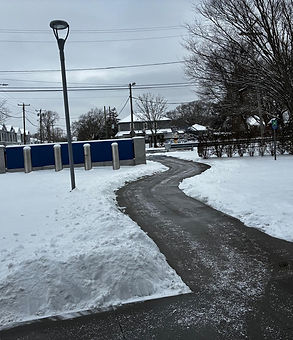
Snow mold appears in spring as snow melts, revealing circular matted patches of tan or pinkish grass. These patches range from a few inches to several feet across. The grass looks matted down and bleached.
Two types affect Massachusetts lawns. Gray snow mold develops under snow cover. Pink snow mold can develop with or without snow during cool wet conditions in late fall and early spring.
Raking affected areas in spring helps matted grass dry out and recover. Many patches recover on their own once weather warms and grass starts growing. Severe cases need overseeding to fill in dead areas.
Preventive fungicide applications in late fall before snow cover can reduce snow mold in areas with history of severe problems. Most lawns don't need preventive treatment since damage is usually minor and grass recovers naturally.
Red Thread
Red thread creates irregular tan or pink patches throughout the lawn. Close inspection shows pink or red thread-like structures on grass blades. These are the fungal structures that give the disease its name.
Cool wet weather in spring and fall favors red thread development. It's most common when temperatures range from 60 to 75 degrees with high humidity or frequent rain.
Low nitrogen makes grass more susceptible. Red thread often indicates under-fertilized lawns that aren't growing vigorously. Properly fertilized grass resists infection and outgrows minor cases.
The disease rarely kills grass. Most infections just slow growth and cause temporary discoloration. Grass usually recovers on its own once conditions improve and growth resumes.


Pythium Blight
Pythium blight is the most aggressive lawn disease around here. It kills grass within hours during extremely hot humid weather. Affected areas appear as greasy-looking dark patches that quickly turn tan as grass dies.
This disease requires very specific conditions. Temperatures above 85 degrees combined with high humidity and wet soil create outbreaks. It's most common during heat waves with frequent thunderstorms.
The disease spreads rapidly along drainage patterns and low areas where water stands. Morning dew or irrigation that keeps grass wet during extreme heat triggers infections.
Fungicide treatment must happen immediately when pythium is detected. The disease moves too fast for delayed treatment. Preventive applications during extreme heat and humidity protect high-value lawns.
Improving drainage prevents pythium more effectively than chemical treatment. Areas with standing water during hot weather will continue having problems until drainage improves.
Fungus and Mushrooms
Mushrooms appear when underground fungus produces fruiting bodies above ground. They pop up after extended rain or in areas with buried wood, stumps, or heavy organic matter decomposing in soil.
Mushrooms don't damage grass. They're actually signs of biologically active soil breaking down organic material. Most people just don't want them in the lawn.
Mowing knocks mushrooms down temporarily. They'll keep returning until the underground food source is exhausted or conditions dry out.
Reducing moisture prevents mushrooms. Improving drainage, aerating compacted areas, and avoiding overwatering all reduce mushroom frequency. Properties around Fairhaven with clay soil and poor drainage see more mushroom activity.
Fungicide treatment can reduce mushroom appearance but doesn't eliminate the underground fungus. Treatment is usually not cost-effective since mushrooms don't harm grass and most cases resolve on their own once conditions change.


Fungicide Applications
Fungicide applications treat active disease and provide preventive protection during favorable disease conditions. Products containing azoxystrobin, propiconazole, or chlorothalonil control the most common lawn diseases.
Contact fungicides protect the grass surface from new infections. They work preventively or early in disease development. These need reapplication every 14 to 28 days during disease-favorable weather.
Systemic fungicides absorb into the grass tissue and provide longer protection. They work on active infections and prevent new ones. These typically last 21 to 28 days.
Application timing matters. Treating early when the first symptoms appear stops the disease before it spreads. Waiting until large areas are dead wastes money treating grass that's already gone.
Preventive applications make sense during weather that strongly favors disease. Properties with disease history can benefit from scheduled preventive treatments during vulnerable periods.
Disease Prevention
Cultural practices prevent most disease problems without chemical treatment. Proper maintenance keeps grass healthy enough to resist infection.
Mow at correct height, 3 to 3.5 inches for most grass types around here. Cutting too short stresses grass and makes it vulnerable to disease. Scalped lawns show more disease than properly mowed turf.
Water correctly by applying 1 to 1.5 inches per week in early morning. Grass should dry before evening. Wet grass overnight promotes disease development. Frequent shallow watering keeps thatch wet and encourages fungal growth.
Fertilize appropriately to maintain vigorous growth. Both under-fertilization and over-fertilization increase disease susceptibility. Balanced nutrition helps grass resist infection and recover from damage.
Improve air circulation by trimming low tree branches and thinning dense shrubs. Good airflow helps grass dry faster after rain or dew. Shaded areas with poor air movement show more disease.
Aerate compacted soil to improve drainage and reduce moisture stress. Compacted areas stay wet longer and create conditions favoring disease. Annual aeration reduces disease pressure.
Dethatch when thatch exceeds half an inch. Thick thatch holds moisture against grass crowns and promotes disease. Properties that have never been dethatched often have significant disease problems.


When to Treat
Early detection allows treatment before disease spreads. Regular inspection during disease-favorable weather catches problems early.
Brown patch needs treatment during hot humid periods, especially when nighttime temperatures stay above 70 degrees. This is typically July and August around here.
Dollar spot treatment happens from late spring through fall when warm days and cool nights create ideal conditions.
Snow mold prevention happens in late fall before snow cover for properties with severe history. Most lawns don't need preventive treatment.
Red thread rarely needs treatment. Fertilization usually solves the problem.
Pythium treatment must happen immediately during extreme heat and humidity. Preventive treatment during heat waves protects vulnerable areas.
Signs You Need Treatment
Circular patches of dead or discolored grass that expand during humid weather indicate active disease. These start small and grow rapidly under favorable conditions.
Grass that doesn't respond to watering during humid periods suggests disease rather than drought stress. Disease-damaged grass won't green up with irrigation.
Repeating patterns of damage in same locations year after year indicate disease problems. Properties with history of brown patch in certain areas will continue having issues unless conditions change.
Mushroom clusters after every rain indicate high soil moisture and organic matter decomposition. This doesn't require treatment, but suggests drainage improvement would help.
Getting Started with Lawn Disease Treatment
Properties throughout Fairhaven, Mattapoisett, Marion, New Bedford, and Dartmouth need lawn disease treatment during weather conditions that favor fungal growth. Hot, humid summers create brown patch. Cool wet periods bring dollar spot and red thread. Heavy snow leads to snow mold.
Call 508-763-8000 or email request@newenglandtreeandlandscape.com for a free estimate.
35 years in business. Local crew based at 232 Huttleston Avenue in Fairhaven. Family-owned. We're the caring professionals.
FAQ's
Will lawn fungus clear up on its own?
Minor fungal issues can slow down when conditions dry out, but South Coast humidity often keeps disease active longer than expected. Coastal moisture and fog allow fungus to linger through warm, damp stretches. Without correcting watering, mowing, and airflow, it usually comes back, especially in areas like Sconticut Neck.
Can mowing cause lawn disease to spread?
Yes. Mowing spreads fungal spores, especially when grass is wet. Morning dew and humidity can hang on the lawn longer in this region, which increases the risk. Mowing wet turf is one of the fastest ways to spread disease across a property in North Fairhaven.
Is lawn fungicide safe for kids and pets?
When applied correctly and allowed to fully dry, professional fungicides are safe. Lawns should stay off-limits until the product has dried and been watered in as directed. This is especially important on properties in Mattapoisett where coastal moisture can slow drying time.
Do I need fungicide right away, or should I fix my watering and mowing first?
It depends on how active the disease is. Fungus can spread quickly during warm, humid stretches and often needs treatment to stop it. Long-term control comes from correcting watering habits, mowing height, and airflow, especially in moisture-prone areas like Fairhaven Center.
Will lawn fungus go away on its own, or do I need to treat it?
Some mild cases slow down when weather improves, but humidity often keeps it active in this region. Lawns that stay damp longer are more likely to see it spread instead of disappear. Treatment is usually needed to stop it, particularly in areas like East Fairhaven.
How do I tell lawn fungus from grubs, pet spots, or fertilizer burn?
Each has a distinct pattern. Fungus spreads and forms irregular or circular patches, grubs cause turf to pull up easily, pet spots have dark green edges with dead centers, and fertilizer burn follows application patterns. Fungal issues are especially common during humid stretches in Acushnet Center.
How do I prevent lawn disease from starting?
Prevention comes down to reducing moisture and stress. Water early in the morning, mow at 3–3.5 inches, improve drainage with aeration, and avoid excess nitrogen during hot, humid periods. These steps are especially important for coastal properties near Buzzards Bay where moisture lingers longer.
How long does it take to see results from lawn fungus treatment?
The spread usually slows within a few days once treatment begins. Visible recovery takes about 7–14 days depending on severity and weather. In thicker, moisture-prone areas like Fairhaven Center, recovery can take longer and may require overseeding.